Request an appointment
Call or send a general email appointment request to get started.
Emergency: for a life-threatening emergency, call 911 or go to the nearest emergency department.

Second Opinion & Injury Care
Whether surgery has been recommended or an accident has disrupted your day, our doctors can review the next-step options and coordinate imaging, therapy, injections, and surgery when appropriate.
Second opinion
Before you decide on surgery, ask our neurosurgeons to review the situation with you. We can guide you through scheduling and the approved process for bringing records or imaging to your appointment.
Call or send a general email appointment request to get started.
Our team will explain the appointment process and any approved secure channel for records.
Discuss imaging, diagnosis, and options in plain language.
Understand the choices available and a practical path forward.
Comprehensive injury & trauma care
After a motor vehicle collision, slip and fall, work injury, or other traumatic incident, symptoms are not always immediately obvious. They may develop or change over days or weeks. A timely medical evaluation can help clarify your concerns and document clinical findings.
Georgia Brain & Spine brings Board-Certified Neurosurgeons, spine specialists, imaging, rehabilitation, and interventional care into one coordinated pathway. Treatment planning is individualized, with non-surgical options and surgical consultation when appropriate.
Our mission: promptly evaluate and diagnose injuries, develop an individualized treatment plan, and work toward a return to everyday life with as little disruption as possible. Recovery goals and timelines depend on each person’s injury and needs.
For injured patients, referring clinicians, personal injury attorneys, and case managers.

Recognize the warning signs
Impact and sudden movement can affect the head, neck, and spine. If you or your patient has symptoms after a recent accident, discuss them with a clinician. Severe or worsening symptoms may require emergency care rather than an office appointment.
A concussion can follow a blow or jolt, including sudden acceleration or deceleration without a direct impact to the head.
Whiplash, disc injuries, or aggravation of an existing spine condition can be associated with inflammation, restricted movement, or nerve symptoms.
Advanced diagnostics
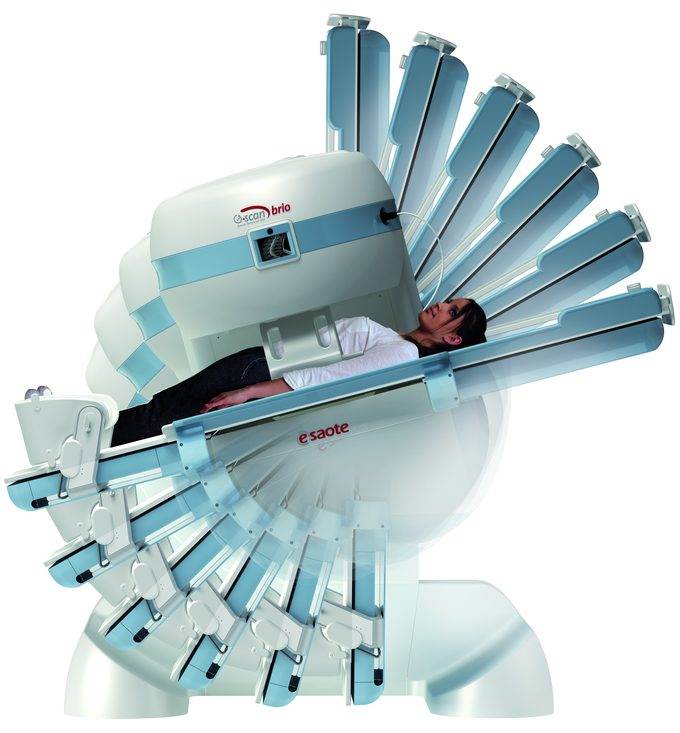
Our weight-bearing MRI can image the spine while you are standing or sitting. For selected concerns, this can help the care team evaluate positional or load-related findings alongside your examination and other imaging.
Weight-bearing MRI does not replace every conventional MRI study or emergency scan. Your physician will explain whether it may be useful for your symptoms and treatment planning.
Explore Weight-bearing MRIA comprehensive spectrum of care
Your plan may draw on several specialties. Our team helps coordinate the evaluation, treatment conversations, and rehabilitation that are appropriate for your situation.
Specialist evaluation and treatment planning for complex head, neck, spine, and peripheral nerve concerns.
Meet our specialistsStanding or seated spine imaging when appropriate, interpreted in the context of your symptoms and examination.
Imaging optionsTargeted, image-guided procedures such as epidural steroid injections and facet or medial-branch blocks for selected concerns.
Interventional careIndividualized plans focused on movement, strength, flexibility, balance, and spine stability.
Rehabilitation servicesNeurological and rehabilitation guidance for concussion-related symptoms, dizziness, gait, and balance concerns.
Concussion careBrain, spine, or peripheral nerve procedures may be discussed when the clinical findings support a surgical approach.
Surgical treatment informationFor referring providers & partners
We work with referring physicians, urgent care centers, personal injury attorneys, and case managers to help coordinate access and continuity of care. Call the office for referral instructions and current scheduling availability.
Call about an injury referralImaging questions
Call or send a general appointment request so our team can explain the best scheduling step and how to bring any records through an approved process.
Review scheduling options